
Urine on a Mattress: Covers, Filling and Persistent Odour
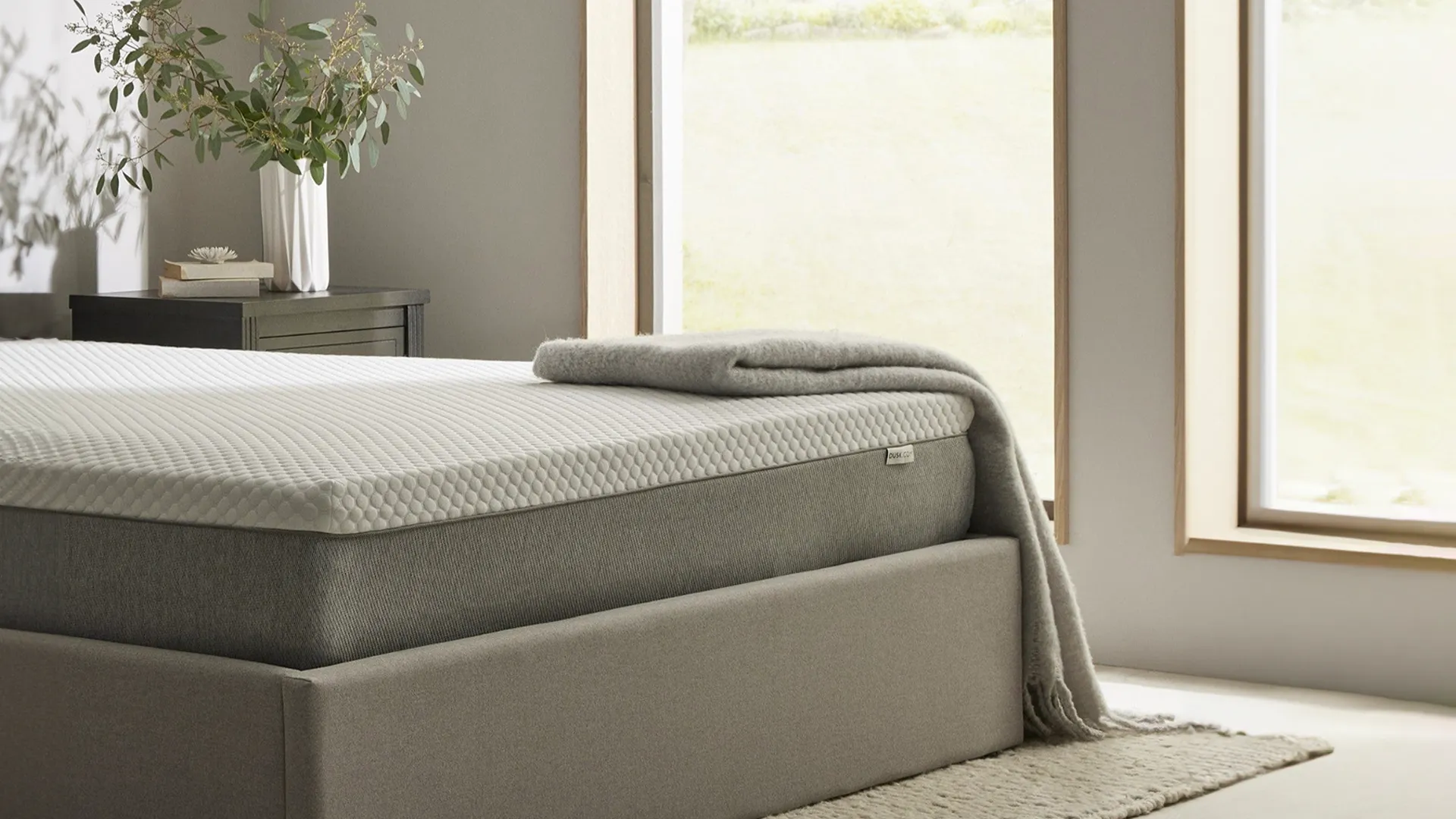
A mattress accident can affect bedding, a protector, the outer cover and the core. Each layer may have different care restrictions. Absorb accessible liquid promptly, then identify what was reached before choosing treatment or booking a clean.
- Remove wet bedding and blot accessible liquid without pressing it deeper.
- Check which layers may be removed or washed.
- Do not mix bleach, vinegar, detergent or a homemade fermented cleaner.
In this guide
- Identify the affected layers
- First response before any chemical treatment
- A urine product still has material limits
- Drying and deciding on the next step
Identify the affected layers
| Layer | What to check |
|---|---|
| Bedding and protector | Their own wash and drying labels. |
| Removable mattress cover | Whether removal and laundering are actually permitted. |
| Fixed cover | Local-treatment restrictions. |
| Foam or other core | Whether liquid entered material that cannot accept the proposed cleaning method. |
A zip is not permission to remove internal barriers. Keep the mattress make, model and label available for advice.
First response before any chemical treatment
- Keep the affected mattress out of use.
- Remove approved washable layers without spreading liquid onto clean parts.
- Blot the accessible surface with plain absorbent cloths. Avoid scrubbing or pressing hard into the core.
- Follow each washable item’s label separately, without combining cleaning agents.
- Check the mattress-specific spill instructions before applying water or a product.
Do not use a garment-soaking recipe on an assembled mattress. A surface mark and contamination in the core are different concerns.
A urine product still has material limits
An enzyme or deodorising product must suit the actual textile and permitted method. Its label determines application and residue removal; adding a second chemistry is not an automatic improvement.
TEMPUR UK: cover care and foam-material restrictions prohibits wetting and several cleaning methods on its TEMPUR Material. The cover rules are separate. This is one example of why a generic extraction or steam recommendation cannot cover every mattress.
A recurring smell can indicate retained contamination. Surface treatment may not reach an insert or core, and some affected material may require replacement.
Drying and deciding on the next step
Keep the item uncovered with appropriate airflow while any permitted treatment dries. Do not use direct high heat or cover a damp area to make the bed usable sooner. A dry outer cover does not prove a wet core has dried.
Read the general mattress guide and foam-specific restrictions. Ask whether a provider can treat the affected construction and whether the proposed scope includes more than the surface.
Discuss the appropriate cleaning scope
Give Crown the model, accident size, time elapsed and treatment history before requesting a suitable mattress assessment.
View the service and request an assessment.
Sources and care guidance
Sources checked on 16 October 2026. Manufacturer guidance applies to its named products; follow the instructions for your own item.