
How to Clean a Carpet: Routine Care, Spills and Deep Cleaning
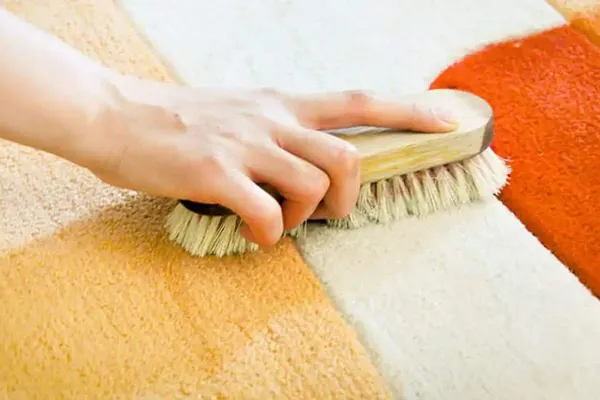
Carpet cleaning involves three different jobs: removing loose dirt, dealing with an individual spill and removing embedded soil. Choose the job first, then check the fibre, backing and care instructions. Repeatedly wetting a whole carpet with a household recipe is not a substitute for a suitable cleaning system.
- Find the carpet’s care instructions before adding a product or water.
- Remove loose dry soil first; blot a liquid spill instead of scrubbing it.
- Escalate persistent stains, odours or moisture problems rather than repeating treatments.
In this guide
- Start with fibre, pile and backing
- Build a routine that removes dirt before it is ground in
- What to do with a fresh spill
- What hand cleaning can and cannot do
- When the carpet needs more than routine care
- Mud and tracked-in dirt
- Greasy spots: absorb excess, then check compatibility
- Dust, sensitivities and the limits of cleaning
- When cleaning, repair or replacement is the better question
Start with fibre, pile and backing
Look for the purchase information or ask the retailer if the fibre is unknown. A wool blend, viscose rug and polypropylene carpet can look similar but respond differently to moisture and chemistry. For sensitive blends, WoolSafe: fine fibres and moisture-sensitive blends advises treating the construction according to its most sensitive component.
- Check whether the manufacturer permits wet cleaning, the proposed product and any powered brush attachment.
- Inspect loose seams, colour changes, damaged backing and previous spot treatments before doing more work.
- Treat rugs separately from fitted carpet: backing, fringe and the floor underneath add different risks.
Build a routine that removes dirt before it is ground in
Clear small objects and use the attachment and height setting suited to the pile. Work methodically along accessible edges and change direction where the construction allows. Give entrances and regularly used routes more attention than unused corners.
Brush choice is not universal. Cormar Carpets: care by pile type distinguishes suction-only care for loop pile from suitable powered-brush care for cut pile. Follow the instructions for your own carpet, and stop if the head snags fibres or is difficult to move.
Use clean entrance mats, remove outdoor grit promptly and keep the vacuum’s collection system maintained. If furniture limits access, use the guide to cleaning around furniture and under beds.
What to do with a fresh spill
- Lift any solid material without grinding it into the pile.
- Blot liquid with a plain white absorbent cloth, changing to a clean area as it picks up the spill.
- Check the care instructions and identify the spill before choosing a carpet-specific treatment. Test in an inconspicuous area and allow it to dry before judging the result.
- Use the product only as directed, keeping the treatment local. Stop if colour transfers, the pile changes or the mark spreads.
This is first aid, not a universal stain-removal recipe. The Carpet and Rug Institute: home carpet maintenance separates absorbing a spill from applying an appropriate spot cleaner. Use the specific guides for urine, ink and hair dye before attempting further treatment.
What hand cleaning can and cannot do
A cloth may deal with a compatible small surface mark. It cannot rinse and recover soil evenly across a fitted carpet or show whether the backing is wet. For the limits of local treatment, read cleaning carpet by hand.
Do not cover the floor in salt, baking soda or detergent and then soak it. A stain, a musty smell and a worn traffic lane are different problems. If you are considering a household ingredient, check the material and the limitations in our baking soda and vinegar article rather than assuming that a familiar kitchen product is approved for your carpet.
When the carpet needs more than routine care
An overall soiled appearance, recurring spots or persistent smells call for an assessment of the cause. Ask which cleaning method the fibre and backing permit, what furniture can be moved and what drying conditions are needed. Our method comparison explains the choices.
Before a visit, remove fragile items, show any earlier product damage and identify every area you want cleaned. Use the preparation checklist and retain the team’s drying and aftercare instructions. Cleaning can remove soil; it does not restore missing dye or worn fibres.
Mud and tracked-in dirt
Keep a muddy area out of use so it is not spread. On a carpet that permits ordinary dry care, let surface mud dry before gently removing loose material with the suitable vacuum attachment. Do not scrub wet grit through the pile or force a brush into a sensitive construction.
If a mark remains, identify the fibre and choose only a permitted carpet spotter after testing. Do not assume instructions for laundering muddy clothing apply to fitted carpet. Stop for dye transfer, changed texture or a spreading stain. For a water-sensitive rug, obtain material-specific advice before adding moisture.
Greasy spots: absorb excess, then check compatibility
A fresh food-oil spill and a dark, worn traffic lane are different jobs. Lift accessible solids and blot free oil with plain absorbent material without rubbing it across clean pile. Note the source and any product already used.
Do not add cooking oil, WD-40 or a general solvent to dissolve an unidentified mark. A product designed for textile grease still needs fibre, dye and backing compatibility; Prochem Citrus Gel: specific applications and product restrictions gives an example of a specified oil-and-grease spotter, not a recipe for every carpet.
If local treatment is permitted, test out of sight, use only the stated amount and follow residue-removal instructions. Avoid soaking backing or adhesive. Stop when colour transfers, the patch spreads or its texture changes. If suitable residue recovery is not practical, ask for an assessment rather than applying more.
Broad contact soiling or repeated sticky marks may need an overall method instead of spot treatment. Cleaning cannot restore pile or dye already damaged by earlier chemicals.
Dust, sensitivities and the limits of cleaning
Regular compatible vacuuming removes accessible dust and soil. Keep the vacuum’s collection system and filters maintained, and use the head suited to the pile. If a person has a known sensitivity, discuss the practical cleaning routine with their healthcare professional and arrange for someone else to do dusty work where appropriate.
Dust is a mixture; allergens, fragrances and other irritants are not interchangeable. Cambridge University Hospitals: care for diagnosed dust-mite allergy is intended for diagnosed dust-mite allergy alongside clinical advice, not as a claim that one carpet clean treats symptoms.
Neither a fresh smell nor a claim to kill mites establishes complete allergen removal. Tell the cleaner about known product sensitivities before treatment, and do not add fragrance or a pesticide to make the room seem treated. Cleaning should not be advertised as a cure for asthma or a guarantee of an allergen-free home.
When cleaning, repair or replacement is the better question
Ask what is causing the appearance before choosing another clean. Removable soil can improve with a compatible method. Missing pile, fraying, melted fibres, persistent backing damage and permanent colour loss are different concerns.
| Finding | Next step |
|---|---|
| Overall dirt on a serviceable carpet | Assess a suitable cleaning method and likely improvement. |
| Local structural damage | Ask an appropriate repair provider about feasibility. |
| Widespread wear or failing construction | Compare repair and replacement; cleaning is not renewal. |
| Persistent damp or contamination | Investigate the cause and affected layers before routine cleaning. |
There is no universal minimum carpet life created by annual steam cleaning. Construction, use, condition and care all matter. Ask the manufacturer or a suitable flooring professional where replacement or repair is being considered; Crown’s cleaning quote does not imply installation or restoration services.
Get a carpet cleaning assessment in London
Include the carpet material if known, photographs of problem areas and details of products already used.
View the cleaning service and request an assessment or request a quote.
Sources and care guidance
These sources inform the care principles above. Instructions for a named manufacturer’s products do not automatically apply to another item. Sources checked on 16 October 2026.