
Hair Dye on Carpet: What to Do Before Further Treatment
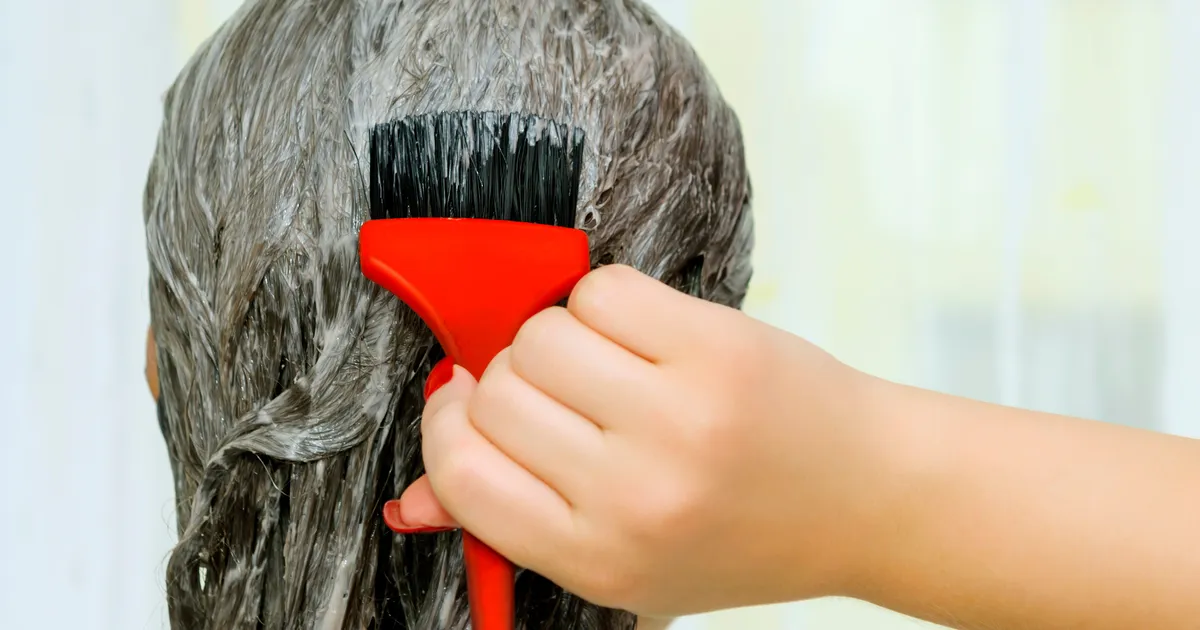
Hair dye can change the colour of carpet fibres as well as leave material on their surface. Some marks therefore remain after appropriate cleaning. Keep the dye packaging, avoid spreading the spill and obtain a material-specific assessment before attempting a series of chemicals.
- Keep the product packaging and note when the spill occurred.
- Lift excess and blot accessible liquid without scrubbing.
- Do not alternate ammonia, peroxide and alcohol on an unidentified carpet.
In this guide
- Identify the dye and the carpet
- Controlled first response
- Why stronger chemistry is not an automatic answer
- What to agree before a visit
Identify the dye and the carpet
| Detail | Why it matters |
|---|---|
| Dye and developer used | The formulation is more useful than the colour name alone. |
| Time since the spill | A fresh deposit and a dried colour change may respond differently. |
| Fibre and backing | A dye-removal treatment can also affect the carpet’s own colour or construction. |
| Previous products | An earlier attempt can change the appearance and further options. |
A cleaner needs this history before judging the likely improvement. An online photograph cannot establish the precise dye chemistry or guarantee that the original carpet colour can be recovered.
Controlled first response
- Keep people off the patch and remove the leaking container.
- Lift accessible excess with a smooth blunt implement without pressing it deeper.
- Blot liquid with a plain white absorbent cloth, changing to a clean part as it picks up material.
- Check the carpet instructions before adding water or any spotter.
- Arrange assessment if colour remains or compatibility is uncertain.
Do not scrub, brush aggressively or use heat to accelerate treatment. Avoid carrying stained cloths across clean carpet.
Why stronger chemistry is not an automatic answer
A stronger product may remove carpet colour as well as the unwanted dye. The Prochem: stain assessment, testing and permanent colour change cautions that some colour-changing stains can be permanent and that material testing is necessary. Professional technical charts should not be copied into a sequence of household substitutes.
Do not assume that a product safe for hair or skin is safe for textile dye, latex backing or adhesive. An oxidative treatment, if appropriate at all, is a separate professional decision with limits.
What to agree before a visit
Ask whether the work is a stain assessment, a local treatment or an overall clean. Discuss the possibility of partial improvement or an unchanged colour mark, and whether repair advice may be needed.
Use the preparation guide for access and the aftercare guide if wet treatment is permitted.
Discuss the appropriate cleaning scope
Give Crown the dye details, carpet information, photographs and previous treatments before requesting a quote.
View the service and request an assessment.
Sources and care guidance
Sources checked on 16 October 2026. Manufacturer guidance applies to its named products; follow the instructions for your own item.